
Printing methods
DTG vs DTF: what is the difference?
Both are digital printing methods with no minimum order. The difference between DTG and DTF is how the ink reaches the fabric, and that changes the feel, durability and best use.
The short answer
DTG prints ink straight into the fabric, so it feels soft and handles fades well. DTF prints onto a film that is heat-pressed onto the garment, so it is more vibrant, more durable and works on more fabrics.
We use both in our Portishead shop. DTF is now our main process for online orders, because it lets us keep prices down and turn orders around more quickly.
Side by side
DTG and DTF compared
| DTG (direct to garment) | DTF (direct to film) | |
|---|---|---|
| How it works | Ink is printed directly into the fabric | Design is printed onto film, then heat-pressed on |
| Feel | Soft, as the ink soaks into the fabric | Large solid areas can feel papery or plastic |
| Fades and gradients | Handles opacity changes and soft edges well | Best with hard edges and solid colours |
| Durability | More prone to fading over many washes | More resistant to fading |
| Fabrics | Cotton and cotton-polyester mixes | Cotton, polyester, nylon and more |
| Neon and Pantone colours | Not possible | Not possible |
What is DTG printing?
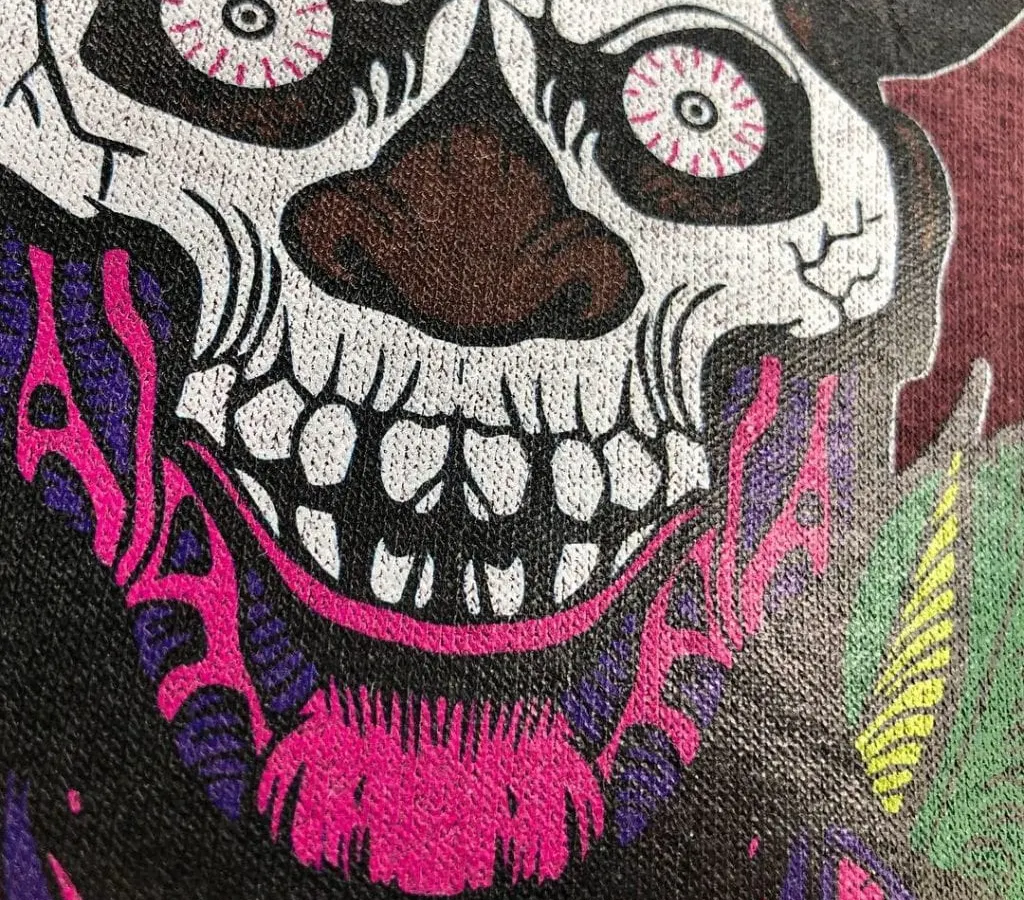
DTG printing uses a specialised inkjet printer to print ink directly onto the fabric. It suits small orders and personalised prints.
It can print intricate designs with a wide range of colours, gradients and fine detail. The finished print feels soft because the ink is absorbed into the fabric.
Find out more about DTG printing.
What is DTF printing?
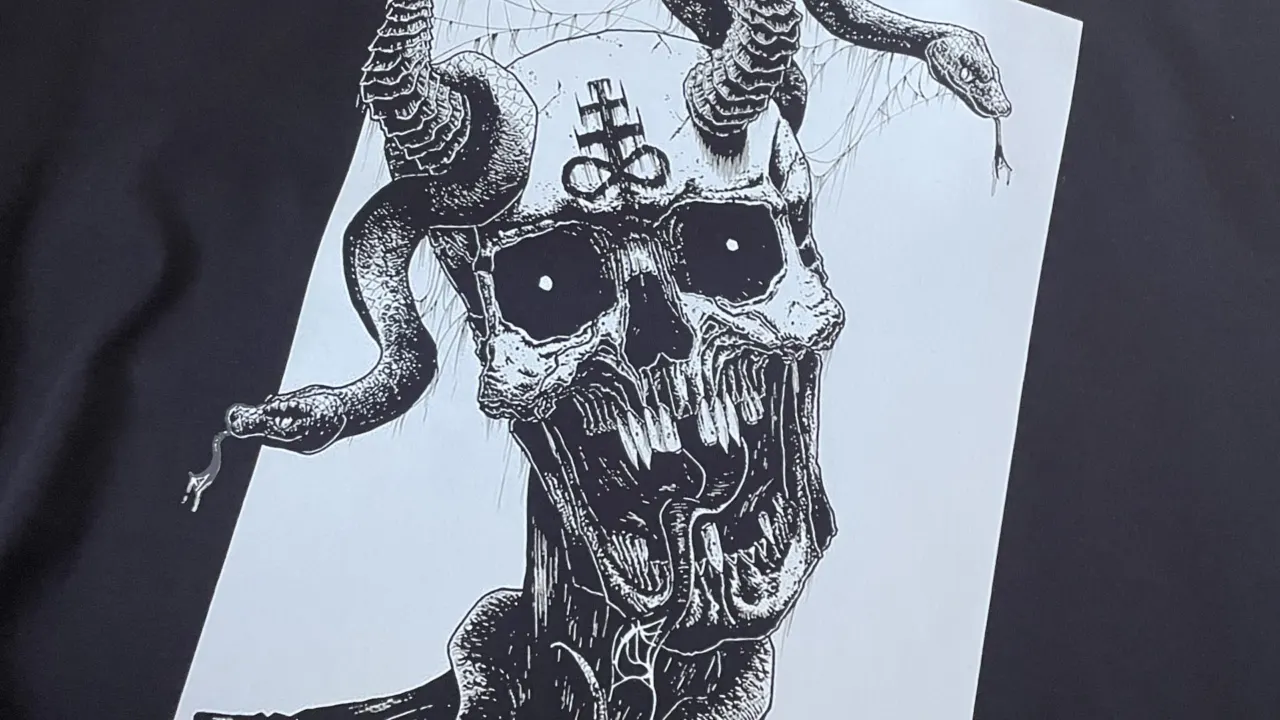
DTF printing transfers your design onto a special film, which is then heat-pressed onto the fabric. It gives vibrant, long-lasting prints with excellent colour saturation and opacity.
DTF needs less preparation than DTG, so it is quicker to produce. It also works on a wider range of fabrics, which makes it popular for sportswear.
Find out more about DTF printing.
Choosing
Which should you choose?
- Choose DTF for garments that are washed often, polyester sportswear, and bold designs with solid colours
- Choose DTG for photos, soft fades and feathered edges where a soft feel matters most
- Choose screen printing for neon colours, Pantone matching or big runs of one design
Whichever method suits you, leave some areas of your design unprinted. It helps the garment breathe and the print last. We remove simple backgrounds for free, but backgrounds with shadows or textures need extra design work.
DTG and DTF questions
Which method will you use for my order?
We choose the process that suits your design and garment. Most online orders are printed by DTF. If you would prefer DTG, tell us before you order.
Which lasts longer, DTG or DTF?
DTF prints are more durable and resistant to fading. DTG prints fade more with repeated washing, especially if they are not cared for properly.
Is DTG or DTF better for photos?
DTG handles gradients and soft edges better. DTF is limited to hard edges, so we may add a free halftone to help a photo blend into the fabric.
Ready to print your design?
Upload your artwork online and we will pick the best digital process for it.